


Exploring cultural perspectives on gambling How traditions shape play worldwide

Exploring cultural perspectives on gambling How traditions shape play worldwide
The Role of Culture in Shaping Gambling Practices
Gambling is not just a pastime; it is a reflection of cultural values and social norms. Different societies approach gambling with unique perspectives that influence how games are played, the forms they take, and their significance within the community. In some cultures, gambling is viewed as a ritualistic activity, deeply embedded in tradition, while in others, it may be seen as a purely recreational activity or even as a vice to be avoided. Engaging with modern games can help connect traditional practices to newer, vibrant formats, such as the chicken road game, which showcases the thrill of navigation through obstacles.
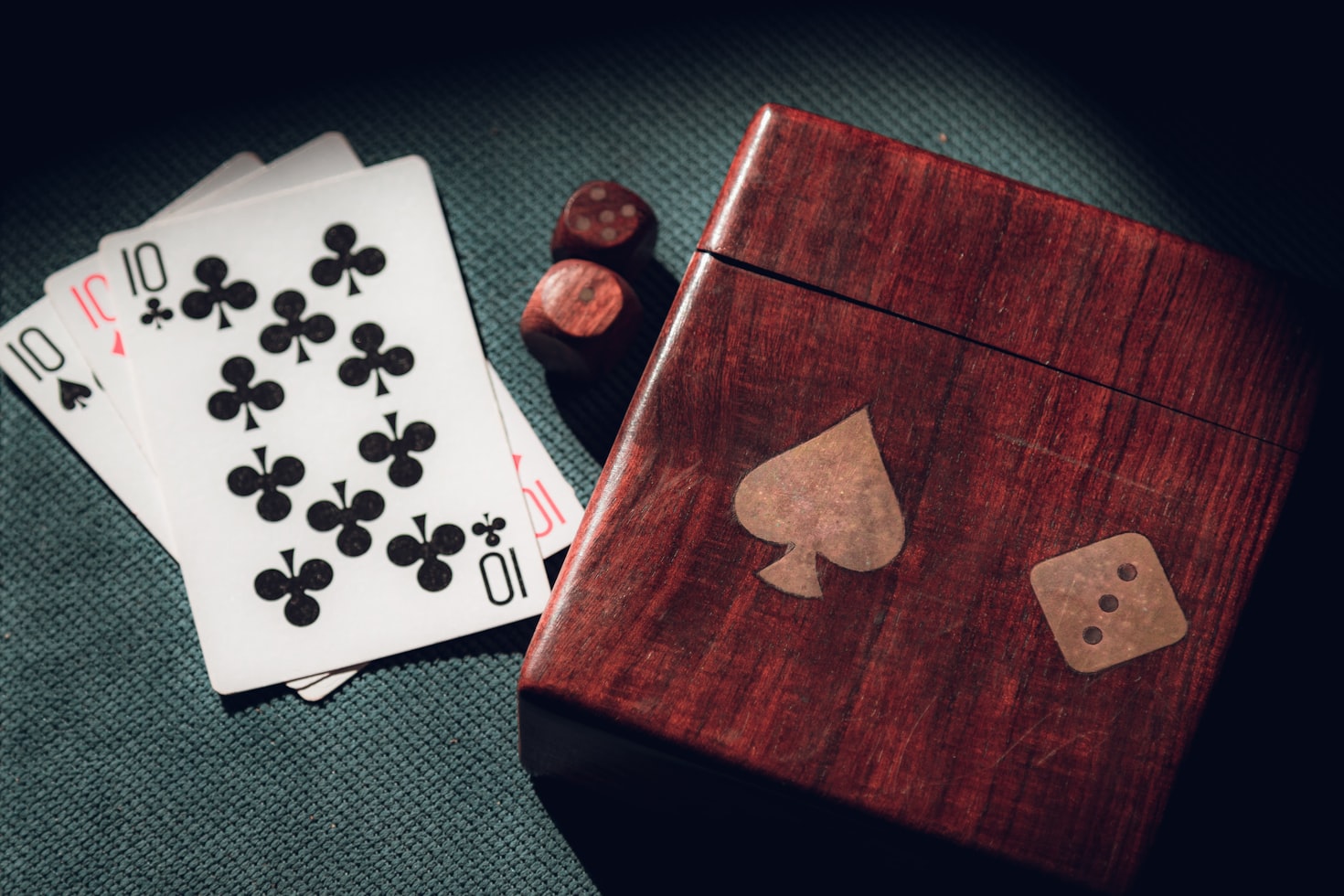
The influence of cultural heritage on gambling practices can be profound. For instance, in many Asian cultures, traditional games like Mahjong incorporate elements of strategy and family bonding, while in Western cultures, casino games tend to emphasize individual competition and risk. These distinctions highlight how cultural contexts shape attitudes toward gambling, leading to diverse expressions of play worldwide.
Traditional Games and Their Modern Adaptations
Many traditional games have evolved over time, adapting to contemporary society while still maintaining their cultural roots. Take, for instance, the Chicken Road Game, a modern arcade-style challenge that engages players in a playful scenario of navigating hazards. Though simple in concept, it embodies the essence of competition and strategy, traits valued in many gambling-related activities.
This adaptation showcases how traditional play can morph into engaging digital experiences, appealing to new generations. Such transformations not only sustain the legacy of cultural games but also introduce the thrill of gambling to a broader audience, creating a fusion of old and new that respects historical significance while embracing modern innovation.
Social Interactions and Community Connections
The social aspect of gambling is a vital component that varies across cultures. In some societies, gambling serves as a communal event, where gatherings revolve around games of chance, fostering connections among participants. These social interactions are often rich with storytelling and shared experiences, reinforcing community bonds and cultural identity.
Conversely, in cultures where gambling is stigmatized, social interactions may occur in secrecy or be strictly regulated. This dichotomy illustrates how societal attitudes shape not just the practice of gambling itself but also the surrounding social dynamics. In these settings, the need for connection and shared experiences remains, prompting individuals to seek alternative forms of play that resonate with their cultural beliefs.
The Psychological Dimensions of Gambling Across Cultures
Gambling influences psychological factors that vary significantly by culture. The thrill of risk, the allure of winning, and the social dynamics involved can induce a wide range of emotions, from excitement to anxiety. Different cultures may interpret these feelings in unique ways, affecting how individuals engage with gambling activities.
For example, in cultures where gambling is considered a rite of passage, the psychological stakes may be intertwined with identity and social standing. Meanwhile, in cultures that emphasize caution and responsibility, the psychological dimensions may focus more on the potential dangers of gambling. Understanding these psychological nuances enriches our appreciation of gambling as a multifaceted cultural phenomenon.

Engaging with Global Gambling Culture
The exploration of cultural perspectives on gambling reveals a rich tapestry of traditions and values that shape play worldwide. Engaging with these diverse expressions not only broadens our understanding but also fosters a sense of global community. As we learn about the unique ways different cultures approach gambling, we begin to appreciate the intricate connections between play, tradition, and social interaction.
For those interested in experiencing modern adaptations of traditional play, exploring interactive games such as the chicken road game provides an engaging way to appreciate the blend of old and new. This game exemplifies how cultural themes can be integrated into contemporary formats, allowing players to enjoy a global tradition in a modern context.


ZİYARETÇİ YORUMLARI
BİR YORUM YAZ